Unlocking Potential: Exploring the Bobath Method in Neurodevelopmental Therapy
Imagine a world where individuals with neurological conditions can regain control of their movements and reclaim their lives. This is not just a dream; it is the reality created through the Bobath method. As a cornerstone of neurodevelopmental therapy, the Bobath method is not merely a set of exercises; it's a transformative approach that revolutionizes how we perceive rehabilitation techniques. In this blog, we will explore how the Bobath method stands out in the realm of neurodevelopmental therapy and provides unparalleled support for patients embarking on their journey of recovery.
At the heart of the Bobath method is a patient-centered care philosophy that prioritizes individual needs and goals. But what does this truly mean for those undergoing rehabilitation? Instead of a one-size-fits-all regimen, therapists utilize tailored therapeutic approaches that adapt to the unique challenges and abilities of each person. This flexibility not only fosters a sense of empowerment but also enhances the effectiveness of clinical therapy, paving the way for significant improvements in motor skills therapy and overall functional rehabilitation.
One inspiring example of the Bobath method in action is Linda, a resilient mother who suffered a stroke and was left struggling with basic movements like grasping a cup. Through specialized neurological therapy, her dedicated therapist applied the Bobath concepts, focusing on Linda's specific challenges. The therapy sessions were rich in interaction and engagement, where every small victory—whether it's the ability to lift her arm slightly higher or to grip the cup more firmly—was celebrated. Linda’s journey illustrates the power of the Bobath method in rekindling hope and rebuilding independence for patients.
Questions often arise about the effectiveness of various therapeutic interventions. How do we know the Bobath method truly enhances recovery? Studies and testimonials consistently highlight its profound impact. By integrating principles of motor learning and neuromuscular facilitation, the Bobath method ingrains movement patterns that are essential for daily life. It not only helps improve mobility but also builds confidence, allowing individuals to face the world with newfound strength. Thus, it serves as more than just a methodology; it is a beacon of possibilities for those affected by movement limitations.
As we delve deeper into the world of rehabilitation, it's essential to remember that every small step counts. The healing journey is a marathon, not a sprint. Engaging with health services that incorporate transformative techniques like the Bobath method can be life-changing. Whether you’re a caregiver, a therapist, or someone exploring options for yourself or a loved one, embracing these innovative therapeutic approaches opens doors to a future filled with hope and potential. Together, let us champion the Bobath method and advocate for effective movement rehabilitation—because everyone deserves the chance to soar.
Empowering Movement: The Role of the Bobath Method in Physical Rehabilitation
Imagine awakening in an unfamiliar body where everyday movements such as wiggling your toes or lifting your arms feel daunting. For many, this could represent a chapter in their journey through neurological challenges. This is where the Bobath method comes into play, a revolutionary approach in neurodevelopmental therapy that seeks not just to aid recovery but to empower movement and instill hope. In this therapy blog, we delve into how the Bobath method operates at the intersection of innovative rehabilitation techniques and compassionate care, transforming the landscape of physical rehabilitation.
The Bobath method focuses on the individual rather than a mere diagnosis. It builds on the philosophy of treating patients with neurological impairments by encouraging desired movements, facilitating learning, and promoting motor skills therapy through a personalized approach. Instead of a one-size-fits-all program, the method adapts to the unique challenges and capabilities of each individual. Have you ever considered how much our bodies depend on movement? When we reengage and reclaim our ability to express ourselves physically, we not only regain our mobility but also our dignity and identity. This highlights the significance of patient-centered care in clinical therapy where the emphasis is on nurturing the soul of the patient alongside their physical rehabilitation.
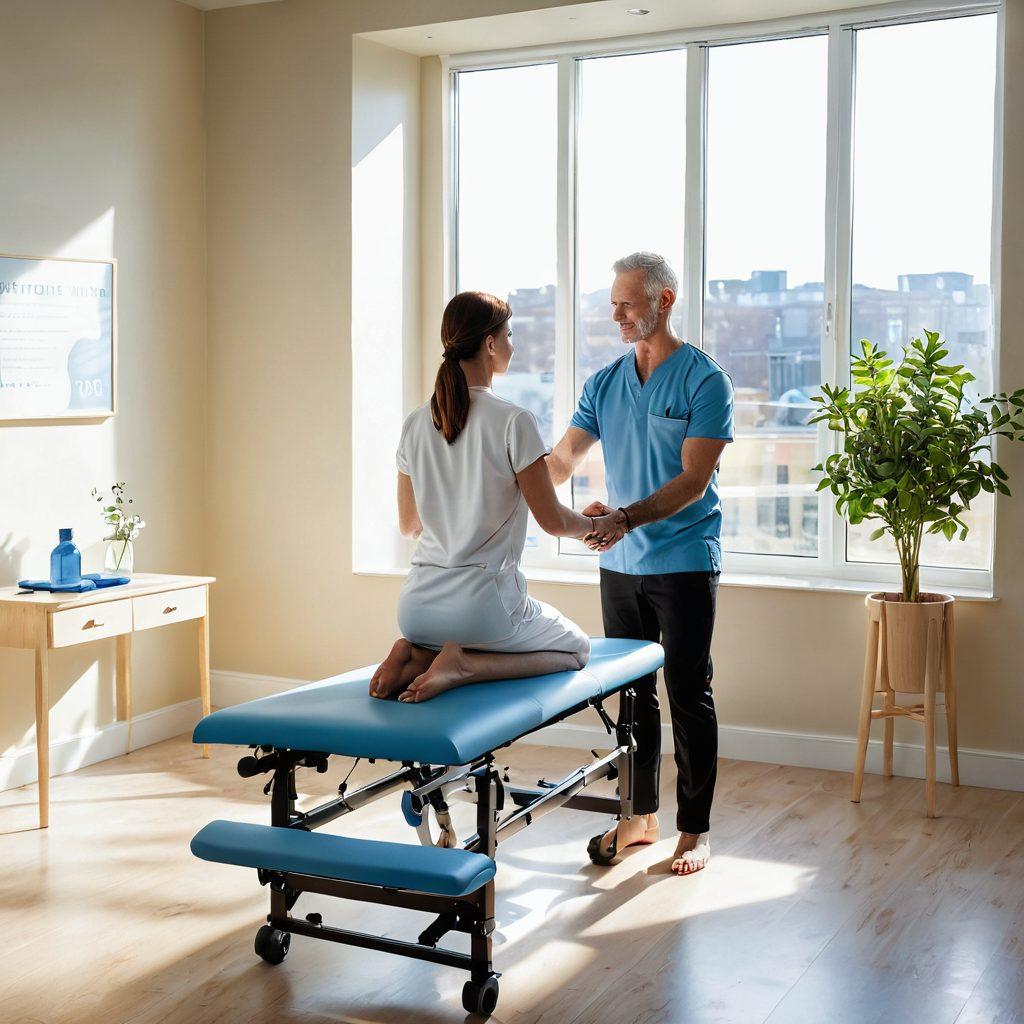
One of the standout components of the Bobath method is its emphasis on hands-on therapeutic interventions that inspire confidence in patients. As a therapist guides a patient through functional rehabilitation exercises, they often find themselves rediscovering their capabilities in a supportive environment. The magic lies not just in the movements but in the encouragement: "You can do this!" or "Let’s try that again!". These small yet powerful affirmations can ignite the spark of motivation within the patient, driving them towards recovery. As they begin to move with greater ease, the barriers that once confined them start to dissolve, creating an inspiring narrative of resilience and strength.
Moreover, the versatile nature of the Bobath method means it can be integrated with other rehabilitation techniques, making it a cornerstone of modern neurological therapy. Practitioners are equipped to address various conditions, helping patients with stroke recovery, cerebral palsy, or traumatic brain injuries. This innovative fusion of techniques promotes learning and reorganizes the brain, essentially reeducating movement patterns disrupted by injury. As a participant in this journey, one might ask, "What does progress look like for me?" The answer may just be wrapped in the small victories of daily life—like standing longer, regaining balance, or simply being able to reach for a loved one's hand again.
Investing in health services that employ the Bobath method can have profound implications, not just for movement rehabilitation, but also for the emotional well-being of the patients. The comprehensive support they receive extends beyond the therapy session. It involves families, communities, and even peers, forming a network of encouragement and understanding. This holistic approach underscores the importance of therapeutic approaches that consider mental and emotional health alongside physical recovery. By doing so, the Bobath method not only assists in recovery but nurtures relationships, enabling patients to thrive within their communities. So, what does empowerment really mean in the context of rehabilitation? It could be as simple as feeling confident enough to navigate the world again, thereby unlocking their full potential.
Patient-Centered Approaches: Enhancing Motor Skills Through Neurodevelopmental Therapy
In the realm of rehabilitation techniques, the Bobath Method stands out as a beacon of hope and healing for those facing challenges in motor skills due to neurological impairments. It’s fascinating how these approaches evolve, focusing not just on exercises but on the patient as a whole. Have you ever considered how individualized attention in therapy can lead to remarkable recoveries? The motivation behind the Bobath Method is rooted in patient-centered care, ensuring that those receiving neurodevelopmental therapy feel valued and understood as partners in their healing journey.
Imagine a child struggling to grasp a pencil, their frustration mounting as they watch their peers effortlessly jotting down notes. The Bobath method can turn these everyday challenges into triumphs. By utilizing therapeutic interventions that promote movement rehabilitation, therapists guide patients toward developing functional skills. This is not merely about improving motor coordination; it’s about fostering independence and confidence. As one therapist eloquently stated, 'Every small success in therapy is a big victory in life.' Isn’t it empowering to know that with the right support, progress is always within reach?
Engagement is key in the world of neurological therapy, and the Bobath method shines in its ability to connect with patients through interactive and adaptable sessions. Each session is tailored to the individual’s needs, allowing for a dynamic approach to healing that respects the uniqueness of each patient's situation. It’s this flexibility that maximizes both emotional and physical outcomes, turning therapy into a collaborative dance rather than a series of clinical tasks. How often do we pause to reflect on the influence of such personalized experiences in our own lives?
The goal of motor skills therapy goes beyond rehabilitation; it extends to empowering individuals to reclaim their lives. Within the therapeutic approaches offered by neurodevelopmental therapy, practitioners foster an environment where patients feel supported, understood, and celebrated for their efforts. Whether it’s restoring the ability to perform daily activities or enhancing social interactions, the impact of functional rehabilitation paves the way for brighter futures. Have you witnessed how supportive environments can dramatically transform someone’s recovery path?
In a health services landscape loaded with one-size-fits-all solutions, the Bobath method emerges as a transformative force that champions patient support. By embracing the distinct needs of each individual, clinical therapy becomes a personalized journey of growth. The intersection of science and compassion leads to meaningful change, inspiring therapists and patients alike to celebrate every stride, no matter how small. As we unravel the threads of movement rehabilitation, let’s delve deeper into how these therapeutic interventions can enhance motor skills and redefine the art of recovery. What stories of resilience have you encountered on this journey towards unlocking potential?